Source Rigid Hull Inflatable Catamaran With Eva Floor Deck for Fishing, Leisure, and Rescue
Find 30 rigid hull inflatable catamaran with eva floor deck options from China. Compare specs like PVC material, 2-6 person capacity, and 30HP engine compatibility for fishing, leisure, and rescue applications.
Key considerations
Products List


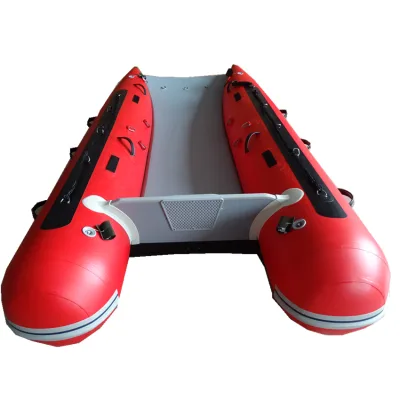
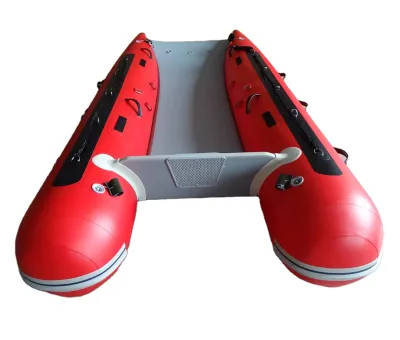
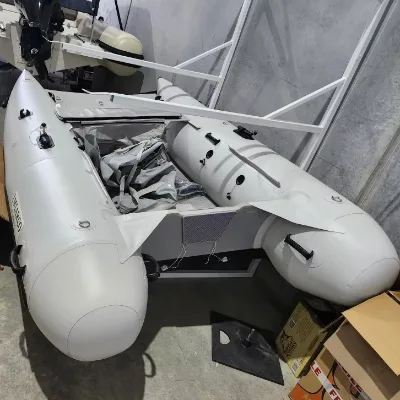
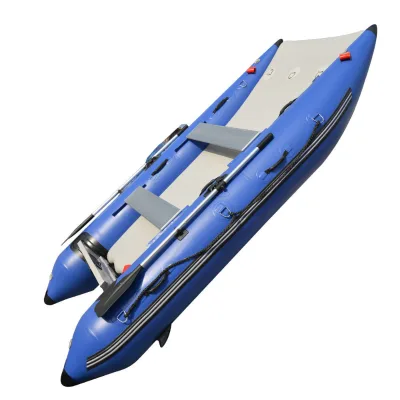
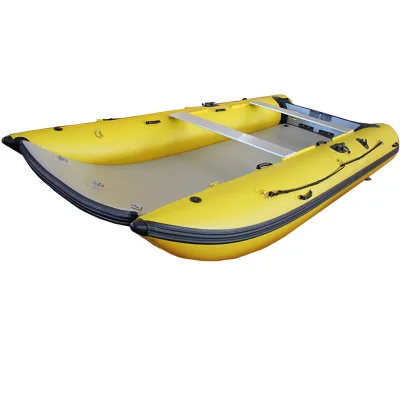
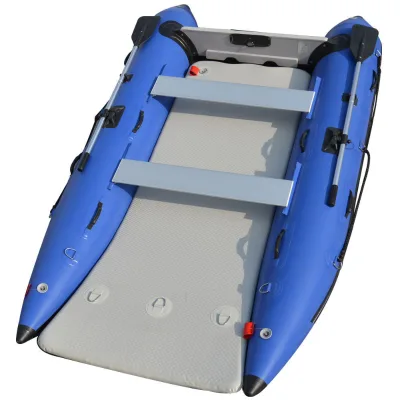
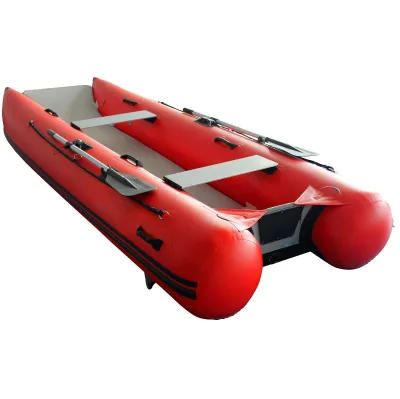
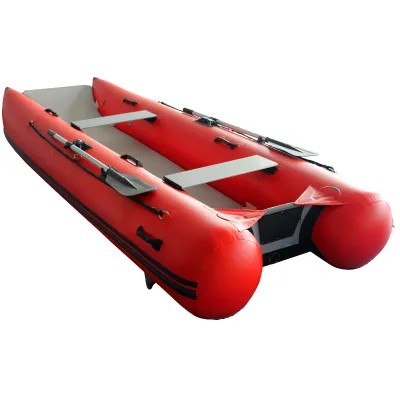
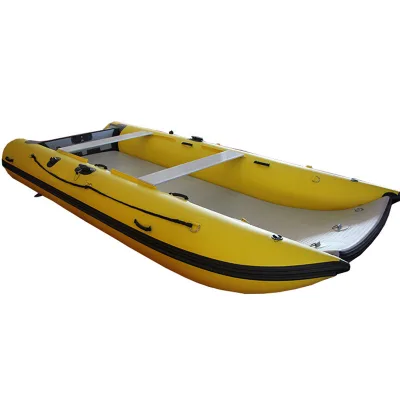


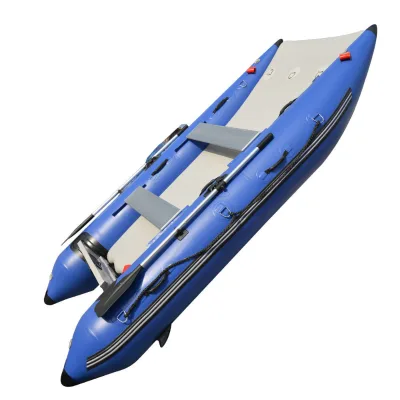
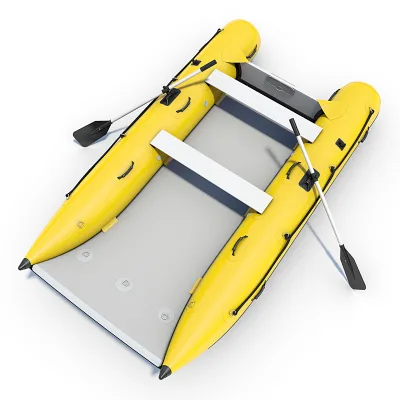
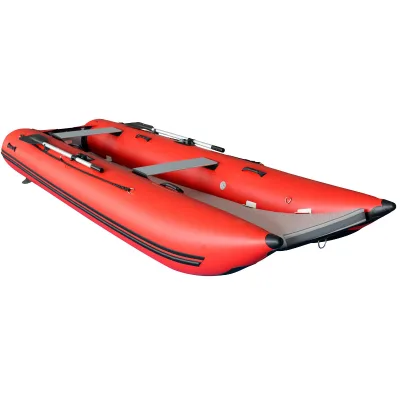
Comprehensive Sourcing Guide
Rigid Hull Inflatable Catamaran with EVA Floor Deck Sourcing Guide
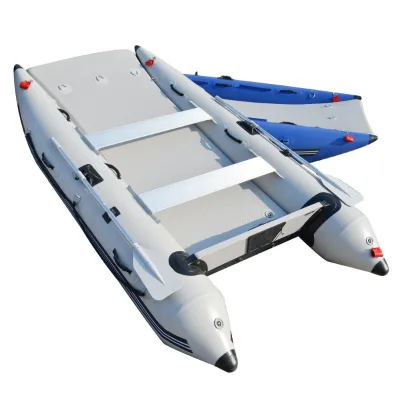
Procuring a rigid hull inflatable catamaran equipped with an EVA floor deck requires a nuanced understanding of hybrid vessel construction, where the stability of a hard hull meets the buoyancy and flexibility of inflatable tubes. While the supplied product data highlights inflatable catamarans with PVC construction and air mats, the specific request for a rigid hull with EVA flooring points to a distinct segment of the market focused on durability, noise reduction, and structural integrity. Buyers must distinguish between fully inflatable models and those with rigid components, as the manufacturing processes, material costs, and performance characteristics differ significantly. The presence of an EVA (Ethylene Vinyl Acetate) foam deck is a critical differentiator, offering superior grip, thermal insulation, and comfort compared to traditional aluminum or fiberglass floors, particularly in cold or wet conditions.
This guide focuses on the verification of technical specifications, compliance requirements, and supplier qualifications necessary for sourcing these specialized vessels. Although the provided facts list various inflatable boat models with PVC hulls and air mats, the core keyword implies a more robust construction. Buyers should approach this procurement with a clear understanding that rigid hulls often involve composite materials or aluminum, while the inflatable tubes typically remain PVC or Hypalon. The integration of an EVA floor deck adds weight and complexity to the assembly, requiring careful attention to weight distribution, engine compatibility, and packing dimensions for logistics.
Product Scope and Observed Listing Signals
The observed market signals indicate a diverse range of inflatable catamarans, with models ranging from 3.1 to 4 meters in length and capacities for 2 to 6 persons. The supplied data shows products with PVC hull materials, air mat floors, and various color options including blue, yellow, and orange. While these listings do not explicitly confirm the presence of rigid hulls or EVA decks, they establish a baseline for the inflatable catamaran category. Buyers must verify if the "rigid hull" specification is a standard feature or a custom option, as many suppliers may offer inflatable tubes mounted on a rigid base or a fully rigid hull with inflatable sponsons. The distinction is crucial for determining the vessel's stability, maintenance requirements, and overall cost structure.
Observed attributes such as "Durable" features, "Customized Logo" availability, and specific packing dimensions (e.g., 1609060cm) suggest that manufacturers are accustomed to tailoring products for specific market needs. The presence of engine specifications, such as 30HP, indicates that these vessels are designed for powered operation, which aligns with the performance expectations of rigid hull catamarans. However, buyers should note that the supplied data includes models with air mats rather than EVA decks, highlighting the need to explicitly request EVA flooring in procurement inquiries. The variation in single package sizes and gross weights further underscores the importance of verifying the exact construction materials and floor type before finalizing orders.
Technical Specifications to Verify
When sourcing a rigid hull inflatable catamaran with an EVA floor deck, the primary technical verification involves the hull material and construction method. Buyers must confirm whether the rigid hull is made of aluminum, fiberglass, or composite materials, as each offers different advantages in terms of weight, durability, and cost. The inflatable tubes, typically made from PVC or Hypalon, should be evaluated for their thickness and layer construction, with 0.9mm PVC being a common baseline in the supplied data. The integration of the EVA floor deck requires precise measurement of its thickness, density, and attachment method to ensure it remains secure during high-speed operation or rough water conditions.
Engine compatibility and power distribution are critical technical factors, as rigid hull catamarans often support higher horsepower than their fully inflatable counterparts. The supplied data mentions engine capacities of 30HP, but buyers should verify the maximum recommended horsepower for the specific model, considering the weight of the rigid hull and EVA deck. Additionally, the number of air chambers, such as the 4+1 configuration observed in some listings, impacts safety and redundancy. Buyers should also inquire about the deck's anti-slip properties, UV resistance, and ease of cleaning, as these attributes directly affect the vessel's usability and longevity in outdoor applications.
Compliance and Safety Documentation
Safety compliance is paramount for rigid hull inflatable catamarans, particularly those intended for commercial or professional use. Buyers must request documentation that verifies adherence to relevant maritime safety standards, such as CE marking for European markets or equivalent certifications in other regions. The supplied data includes a low-confidence mention of CE certification, which should be treated as a verification point rather than a confirmed attribute. Buyers should ensure that the vessel's design, including the rigid hull and inflatable tubes, meets the required buoyancy and stability tests for its specified capacity and length.
Documentation should also include detailed instructions for maintenance, repair, and emergency procedures, particularly regarding the EVA floor deck and rigid hull interface. Buyers should verify that the manufacturer provides a comprehensive warranty, such as the 2-year warranty observed in some listings, which covers both the hull and inflatable components. Additionally, safety equipment requirements, such as life jackets, flares, and navigation lights, should be clarified to ensure the vessel is compliant with local maritime regulations. Proper documentation ensures that the vessel can be legally operated and insured, reducing liability risks for the buyer.
Cost Drivers and Commercial Terms
The cost of a rigid hull inflatable catamaran with an EVA floor deck is influenced by several factors, including the hull material, tube construction, and deck customization. Aluminum hulls typically offer a balance of strength and weight, while fiberglass hulls provide superior durability at a higher cost. The EVA floor deck adds to the material and labor expenses, particularly if it is custom-sized or features specialized anti-slip patterns. Buyers should compare the observed price range of 140-1500 USD for inflatable models with the expected higher costs for rigid hull variants, recognizing that the latter involve more complex manufacturing processes.
Commercial terms such as MOQ (Minimum Order Quantity), lead times, and payment conditions vary among suppliers. The supplied data indicates an MOQ range of 1-10, suggesting flexibility for small to medium-sized orders. However, buyers should negotiate for volume discounts if purchasing multiple units, especially for customized features like specific logos or deck colors. Shipping costs are also a significant factor, given the large packing dimensions and weight of rigid hull vessels. Buyers should clarify whether the quoted price includes freight, insurance, and customs duties, and verify the supplier's ability to handle international logistics efficiently.
Supplier Qualification and Quality Control
Selecting a qualified supplier is essential for ensuring the quality and reliability of a rigid hull inflatable catamaran. Buyers should verify the supplier's manufacturing capabilities, including their experience with rigid hull construction and EVA deck integration. The supplied data mentions brands such as Comax and FBM, indicating that established manufacturers are present in the market. Buyers should request evidence of past projects, customer references, and quality control processes to assess the supplier's consistency and attention to detail.
Quality control measures should include rigorous testing of the hull's structural integrity, the adhesion of the inflatable tubes, and the durability of the EVA floor deck. Buyers should inquire about the supplier's inspection protocols, such as pressure testing for air chambers and load testing for the hull. Additionally, suppliers should provide detailed material specifications, including the grade of PVC or Hypalon used for the tubes and the density of the EVA foam. Establishing a clear quality assurance framework with the supplier helps mitigate risks and ensures that the final product meets the buyer's performance and safety expectations.
Long-Term Procurement Checks
Long-term procurement success depends on establishing a sustainable relationship with the supplier and ensuring ongoing product quality. Buyers should implement regular performance reviews, assessing the vessel's durability, maintenance requirements, and customer feedback. The 2-year warranty observed in some listings provides a baseline for post-purchase support, but buyers should negotiate extended warranty options or service agreements for larger orders. Regular communication with the supplier regarding updates in materials, designs, and regulations helps keep the procurement strategy aligned with market trends.
Additionally, buyers should monitor the supplier's ability to provide spare parts and repair services, particularly for the EVA floor deck and rigid hull components. Establishing a supply chain for replacement parts ensures that the vessels can be maintained efficiently over their lifespan. Buyers should also stay informed about changes in maritime regulations and safety standards, ensuring that future purchases remain compliant. By focusing on long-term partnership and continuous improvement, buyers can maximize the value and reliability of their rigid hull inflatable catamaran fleet.
FAQs
What materials are used for the hull of these inflatable catamarans?
The hulls are constructed from 0.9mm PVC or PVC Tarpaulin materials. These durable materials ensure longevity and resistance to wear during fishing or leisure activities on lakes, rivers, and oceans.
Which engine power options are available for these boats?
Available engine options include 30HP units suitable for high-speed performance. Specific models like the IL-H335 and IL-H410 support these power configurations for efficient operation on water.
Can buyers request customized logos on the inflatable catamarans?
Yes, customized logos are available for these inflatable catamaran boats. Buyers can request specific branding to be applied to the vessel, enhancing corporate identity or personal preference for the product.
What is the maximum passenger capacity for the listed models?
The maximum capacity ranges from 2 to 6 persons depending on the specific model selected. Larger models like the IL-H530 support up to 6 people, while smaller variants accommodate 2 passengers.
How are these inflatable boats packaged for shipping?
Products are packed in single units with dimensions varying by model, such as 160x90x60cm or 135x75x42cm. The packaging ensures safe transport while maintaining the integrity of the inflatable structure.
What is the warranty period provided for these inflatable boats?
A 2-year warranty is provided for these durable inflatable catamarans. This coverage protects buyers against manufacturing defects and ensures reliability for outdoor water activities like fishing and water-skiing.
Which colors are available for the inflatable catamaran boats?
Available colors include Blue, Yellow, Orange, and Light Grey options. Buyers can select from these distinct color choices to match their aesthetic preferences or safety requirements for water use.